Bachelor
Wine culture, wine production, wine tasting and wine service.
Programmes
Bachelor and Master programmes in wine, sensory analysis, gastronomy and estate-based learning in France.
Programme Overview
The eleven modules form the teaching structure of the programmes. They support the degree pathways without replacing the main organisation into four Bachelor programmes and one Master programme.
Wine culture, wine production, wine tasting and wine service.
Art, science and wine management.
Culture, viticulture, oenology, sensory analysis, service and training stages.
Estate-based learning and training stages in France.
Bachelor
Level: Bachelor.
Description: A pathway focused on the history of wine and the vine, the new global wine map, consumption, media, distribution and sector strategies.
Academic focus: Origin of the vine, propagation, invention of great wines, globalisation, French influence, wine tourism, sustainable wine and climate change.
Practical component: Tastings, vineyard observation and connection with French wine regions.
Suitable directions: Wine consultant, specialised wine journalist, brand management, and cultural mediation around wine.
Level: Bachelor.
Description: A pathway centred on viticulture, vineyard plot establishment, vineyard management, reasoned agriculture, oenology and wine work.
Academic focus: Grape varieties, rootstocks, soil, fertilisation, pruning, harvest, alcoholic fermentation, malolactic fermentation, ageing and bottling.
Practical component: Practical exercises in vineyard and cellar settings, pruning, soil maintenance, harvest, vinification and observation of diseases and protections.
Suitable directions: Cellar work, production, research and development, quality control, vineyard operations and estate projects.
Level: Bachelor.
Description: A pathway devoted to tasting methods, organoleptic analysis, sensory characters and variations linked to terroir, technology, grape varieties and appellations.
Academic focus: Visual, olfactory and gustatory examination, sensory organs, memory, vocabulary, perception thresholds, aromatic families, taste balance and intense aromatic persistence.
Practical component: Guided tastings, aroma recognition, threshold exercises, experimental tasting and quality evaluation.
Suitable directions: Professional tasting, consulting, sommellerie, sensory control, communication and wine education.
Level: Bachelor.
Description: A pathway dedicated to wine service, conservation, glassware, serving temperatures, aeration, decanting and food and wine pairing.
Academic focus: Reading labels, bottles, corks, conservation, tasting, service, and pairings with chocolate, cheese, sauces, cured meats, Peking duck, dumplings and Chinese hot pot.
Practical component: Service, tasting, pairing exercises and professional situations in restaurant and hospitality contexts.
Suitable directions: Sommellerie, restaurant and hotel work, wine sales, training and customer-facing consulting.
Master
Level: Master.
Description: A multidisciplinary pathway devoted to the world of the vine and wine, including historical, geographical, legal, economic, marketing and wine tourism dimensions.
Academic focus: Wine quality, sensory analysis, European wines, food and wine pairing, market trends, eco-responsibility, management, communication, logistics and finance.
Practical component: Theoretical and practical teaching, professional tastings, gastronomy workshops, professional talks, project development and wine-related internship experience.
Suitable directions: Consulting, import-export, cellar or wine bar projects, wine tourism, entrepreneurship, project management and professional development in the wine sector.
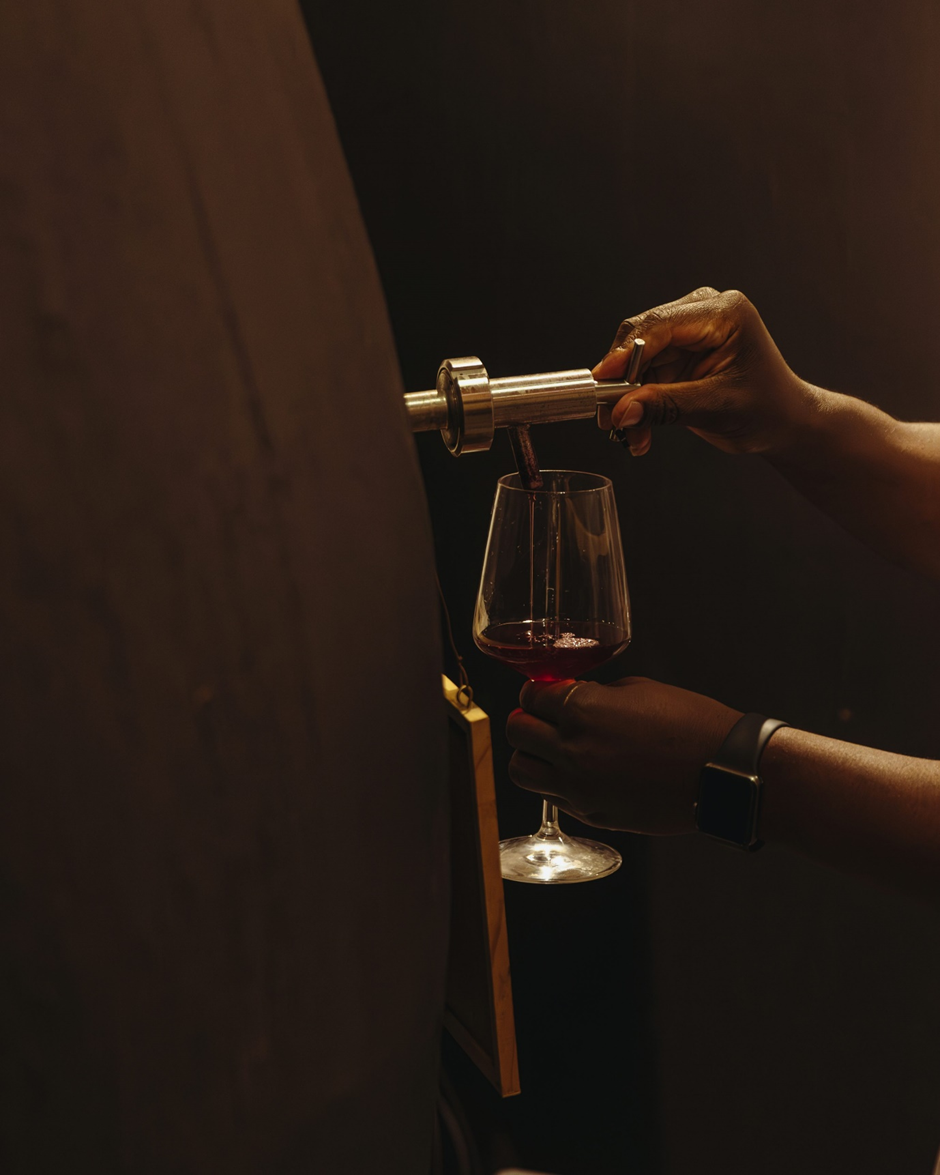
Teaching Structure
The programmes are supported by a structured teaching framework covering wine culture, viticulture, oenology, sensory analysis, wine service, food and wine pairing, regional tasting, experimental tasting and training stages in France.
History of wine and the vine, the new wine map, consumption and new strategies.
The vine, grape varieties, rootstocks, vineyard establishment, vineyard management and reasoned agriculture.
Raw material, vinification, fermentations, ageing, bottling and cellar hygiene.
Types of tasting, tasting conditions, sensory organs, memory and analysis phases.
Colours, odours, tastes, tactile sensations, thermal impressions and aromas.
Influence of terroir, technology, grape varieties, appellations and vintage.
Wine service, conservation, serving temperatures, decanting and food and wine pairing.
Tasting wines from Alsace, Beaujolais, Bordeaux, Burgundy, Champagne, Loire, South West France, Rhône, Languedoc-Roussillon and Jura.
Olive oils, cheeses, beers, cured meats, teas, chocolates, honey, waters, foie gras, breads, fruits, meats and wines.
Visual, olfactory, gustatory, tactile and thermal stimulations in controlled conditions.
Introduction and advanced wine tasting, pruning, soil maintenance, harvest, vinification, vineyard visits and ampelographic collection.